


Senior Living: A&D Panel: Four interior architects weigh in on flooring-related topics in the senior living space – March 2026
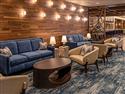
By Darius Helm
With Baby Boomers now ranging in age from 62 to 80 and numbering about 65 million in the U.S., they already dominate the senior living environment. Their sheer volume is driving growth and their demands and desires are effecting change throughout the market segment. At the same time, developments in medicine, in technology and in understanding of the human condition have transformed these critical environments. Senior living is a segment that will continue to grow and develop for many years, and flooring producers are eager to be part of that growth.
Floor Focus reached out to four senior living specialists in the architect and design community-Melinda Avila-Torio with THW Design; Jennifer McDermott with HKS; Laura Pask with Thoma-Holec Design; and Alison Mueller with LaBella Associates-to get a better understanding of all the challenges and opportunities facing flooring suppliers serving this dynamic, growing segment. Q: When you design a senior living interior space, what is the role of flooring, and where does it fit into the design process with other interior elements? McDermott: Flooring plays a foundational role in senior living interiors and is often one of the first finish selections we make. While every project begins with an overall design story that serves as our “north star,” flooring becomes the canvas for the rest of the palette once material selections begin. Because it covers the largest surface area in a space, it establishes tone, warmth, pattern direction and color relationships for everything that follows. Mueller: When designing a space, I view the floor as a grounding element in the overall design. From the earliest phases, spaces are often considered from an aerial perspective, which naturally brings the floor into focus. In senior living environments, especially, designers frequently create vignettes or blend multiple rooms and activities into a single area. Thoughtful flooring selection becomes a powerful tool to define, delineate and give purpose to each space without the need for physical barriers. Pask: Flooring is one of the initial decisions in our design process. We first assess the location and the function of each space-is it below grade or above, what amount of traffic is expected in the space, is there a possibility for exposure to moisture, what are the acoustic needs for the space, what are the maintenance expectations, to name a few. From there, flooring plays a critical role in establishing continuity across the interior environment. It works in concert with lighting, wall treatments and furnishings to support both the overall design direction as well as operational needs. Because it spans large surface areas, flooring has a significant visual impact, helping define transitions between spaces while reinforcing the project’s material palette. At the same time, it must meet safety standards, durability expectations, and long-term maintenance goals. Avila-Torio: Equally important is the experience flooring creates for senior residents. The tactile feel underfoot, the visual comfort it provides, and how patterning affects depth perception and postural stability all influence confidence and independence. Flooring can help-or hinder-navigation, so its selection must avoid confusing depth illusions and instead promote ease of movement and orientation. Ultimately, flooring is not an isolated selection, but a core component woven throughout the design journey. Its role spans initial concept development, safety planning, functional performance, user experience, sustainability considerations, and alignment with long-term facility operations. In senior living environments-where aesthetics must support comfort, dignity and wellness-flooring sits at the intersection of design vision and practical necessity, anchoring the space both visually and experientially. Q: Which category of flooring do you think delivers best on your senior living performance needs? Avila-Torio: There is no single flooring category that universally meets every senior living performance requirement; rather, the best choice depends heavily on the level of care, resident profile, space type, climate and operational priorities. That said, luxury vinyl plank (LVP) consistently emerges as the most balanced and reliable performer across most senior living environments. Design teams and facility operators often gravitate toward LVP because it supports ease of movement, withstands heavy use, and maintains a clean, residential appearance that aligns with modern aesthetic expectations. From a performance standpoint, LVP offers durability, a favorable maintenance profile, and strong resistance to staining and moisture-critical features in environments where safety and quick cleanup are essential. It also allows operators to better manage long-term maintenance costs, which is increasingly important given staffing challenges and varied environmental services capabilities across senior living facilities. Pask: Most communities require a thoughtful mix of materials to meet varying performance demands. For example, carpet can be highly effective in addressing acoustic control and creating warmth in resident-facing spaces. In contrast, LVT or tile may be more appropriate in high-traffic zones or spaces requiring frequent cleaning and enhanced durability. The key is selecting each material strategically, aligning safety, maintenance requirements and longevity with the function of the space. Mueller: In assisted living environments, the heightened risk of falls can make hard surfaces such as tile or certain vinyl products a safety concern. In contrast, memory care settings may prioritize cleanability and infection control, making resilient materials like vinyl a more appropriate choice. Designers should be evaluating products in parallel with client need in a thoughtful balance. McDermott: We use broadloom carpet mostly, as it allows us to have a more monolithic design and feels more residential and hospitality-focused. We also use LVT and porcelain tile in many of our high-traffic areas. Q: How about in terms of design? Mueller: I think the same answer applies with design. You would not put a heavily contrasted pattern in a memory care environment, but this may be acceptable in assisted living environments. Pask: The flooring industry has evolved significantly in recent years. There is now an impressive range of materials that balance high performance with sophisticated aesthetics. We are continually exploring innovations that allow us to achieve a refined, cohesive design without compromising function. Today’s materials offer more realistic textures, elevated color palettes and design flexibility, giving us the ability to create environments that feel warm, intentional and timeless. Avila-Torio: Hard-surface flooring-particularly heterogeneous products such as luxury vinyl plank-remains one of the most commonly specified options because it balances durability, ease of maintenance and smooth, predictable movement for residents. Its wide range of patterns and colorways allows designers to support residential warmth without sacrificing performance. However, many clients are experiencing “wood-look fatigue,” prompting a growing interest in alternative visuals and textures that still provide the same resilient flooring benefits. This shift is encouraging manufacturers to expand beyond traditional wood looks into more nuanced, hospitality-inspired designs. At the same time, soft-surface flooring-especially carpet tile and broadloom-plays a critical role in driving and reinforcing the design concept. Carpet offers expansive opportunities forpatterning, layering, and color variation that can carry a design hook from public spaces into more intimate resident areas. With both robust runningline options and customizable programs, designers can develop cohesive flooring packages that transition smoothly throughout different zones of a community. Q: How about in terms of value? Pask: While there are budget-friendly materials that photograph beautifully, true value lies in durability and performance over time. A flooring selection must not only look good on day one; it must continue to perform and maintain its appearance years into operation. Longevity, ease of maintenance and resilience ultimately provide the greatest return on investment for both ownership and the staff responsible for maintaining the space. For us, value is defined by how well the material supports the community long after installation. McDermott: Porcelain tile would have a longer life and bigger ROI. Avila-Torio: When evaluating value in senior living settings, the most cost-effective flooring category is typically luxury vinyl plank or similar resilient hardsurface products. While the upfront material cost of LVP can be slightly higher than some soft surface options, it consistently delivers stronger long-term value because of its lower maintenance demands, reduced labor requirements, and overall efficiency in day-to-day operations. Carpet tile or broadloom can still be valuable in certain spaces, but they inherently introduce more variables that affect cost-fiber type, padding, seaming, pattern repeats, corridor dimensions, and waste factors. These added layers and installation complexities can increase both upfront and long-term expenses. Q: Considering some of the specific needs in senior living, do flooring manufacturers offer collections designed for senior living, or do you select from their collections in general? McDermott: Manufacturers do offer collections specifically developed for senior living, particularly to address performance requirements and flooring conditions that support aging populations. While those considerations are important, we often find ourselves looking beyond “senior living” collections for design solutions. Many of those lines can feel overly institutional or limiting from an aesthetic standpoint. Instead, we frequently select from broader hospitality and residential-inspired collections that still meet performance and safety requirements while creating warmer, more inviting environments. Our goal is to support dignity and comfort through design, and material selection plays a major role in that. We also see ourselves as the voice of the customer when working with manufacturers, especially as new products and prototypes are being developed. There is a real opportunity for continued collaboration between designers and manufacturers to create solutions that balance performance, clarity of pattern and residential character. The process works best when manufacturers engage the design community early, allowing innovation to be shaped by real-world application in senior living environments. Avila-Torio: When manufacturers introduce or preview new senior living collections, our team evaluates them carefully to understand what features truly make the product appropriate for environments that demand safety, comfort and ease of navigation. This includes assessing whether the flooring avoids confusing depth (effects like visual cliffing), supports mobility devices and aligns with the sensory needs of residents. While manufacturers’ senior living-focused collections are often helpful and increasingly well aligned with our needs, we still sometimes draw from hospitality, commercial or institutional collections when those products better support the design concept or functional requirements of a specific area. Overall, the process works, but there is still room for improvement, particularly in ensuring that senior living collections consistently address scale, visual clarity, mobility safety and maintenance realities across the full range of spaces found in these communities. Pask: We approach each project with the goal of creating a cohesive, curated environment that feels both personal and grounded in the community’s identity. Because of that, we rarely rely on a single collection. Instead, we draw from a range of manufacturers and thoughtfully combine materials-even mixing collections from the same brand-to achieve the right balance of performance, aesthetics and character. This allows us to tailor each building’s story and environment, ensuring the flooring supports resident needs without feeling prescriptive or institutional. Overall, this process works well. Mueller: I would say I do a combination of this. Since I have experience to pull from, I usually start with what worked well in previous projects. Q: Is sustainability a priority in senior living projects? And if so, do your clients typically pay more for sustainable products? McDermott: Yes, sustainability is increasingly a priority in senior living, both for our clients and for the residents who live in these communities. There is growing awareness around how materials, energy use and long-term durability contribute not only to environmental responsibility but also to resident wellbeing and operational efficiency. Rather than focusing on paying more upfront for sustainable products, our clients are typically interested in understanding lifecycle performance and return on investment. Durability, maintenance requirements and longevity are key factors in decision-making. When sustainable products align with those long-term operational goals, they become a natural fit for senior living environments. Avila-Torio: Sustainability is increasingly a priority in senior living projects, but it is approached in a way that must balance environmental responsibility with the operational and financial realities of each community. Senior living environments often follow a hospitality style refresh cycle-typically updating interiors every seven years-so designers and operators are intentional about selecting flooring products that can deliver both a sustainable lifecycle and long-term value. Pask: Sustainability continues to be an ever-important consideration in senior living design. We view it as our responsibility to specify materials that promote human health and protect the planet without compromising the overall design intent. While some clients are willing to invest slightly more for products with sustainability certifications, more often it’s expected that sustainable products are offered as part of the typical pricing structure. Mueller: I strongly believe designing sustainably is a part of being a responsible designer. We owe it to the present and future world to use sustainable products. Compared to five or ten years ago, I would say sustainable products have become much more attainable for the average client. While some products, most likely newer to the market, may be cost-prohibitive, this is becoming less of an issue. Q: Which flooring category or categories offer the most sustainable products? Mueller: Carpet tile and broadloom carpet. Pask: The carpeting industry is doing a good job of using pre- and post-consumer recycled content in its manufacturing processes. Additionally, several major manufacturers are leading the way in take-back programs that recycle old carpet and divert the waste from landfills. McDermott: Porcelain tile and carpet currently offer some of the strongest sustainable product options, particularly when considering durability, recycled content and long-term performance. Porcelain’s longevity and low maintenance requirements make it a reliable choice from a lifecycle perspective, while many carpet manufacturers have made meaningful progress in recycling programs, material transparency and circular product initiatives. Luxury vinyl flooring is an area where we still see opportunity for growth as an industry. LVT continues to perform well in senior living environments, but designers and manufacturers alike are exploring how to achieve the same level of durability, thickness and aesthetic flexibility with alternative materials. Continued innovation in this category will be important as sustainability expectations evolve. Avila-Torio: Materials such as rubber, cork and linoleum tend to stand out because they are often made from natural or rapidly renewable resources, contain higher levels of recycled content and typically have longer life cycles with lower environmental impact. While carpet manufacturers continue to improve recycled fiber content and sustainable backing systems, hard surface options still offer the strongest sustainability story overall due to their material composition, durability and lower associated waste over time. Q: Which flooring category needs to step up its game? In what ways does it fall short? McDermott: From a sustainability perspective it is LVT. From a design perspective, carpet could better address the specific needs of the senior living market. We would like to see more collections that reflect a deeper understanding of appropriate pattern scale, color palettes and the balance between residential warmth and performance requirements. Too often, senior living products are developed through a healthcare lens, with manufacturers relying on healthcare product designers to inform these collections. While performance considerations overlap, the aesthetic expectations in senior living are often much closer to multifamily and hospitality environments. Looking to those sectors for inspiration could lead to more relevant and compelling design solutions. Mueller: I would say sheet vinyl. Although there has been an increase in product offerings over the last few years, wood-look options within sheet product tend to look unrealistic. Pask: Carpet designed for residential style apartment units continues to lag behind the needs of today’s senior living communities. Design in this category often feels stale, with limited pattern, texture and color changes in many years. These products also tend to endure the highest wear, making the lack of fresh, performance driven options even more noticeable. There is real opportunity for manufacturers to rethink this segment-bringing forward options that feel contemporary and residentially inspired while still addressing durability, cleanability and longterm appearance. Q: How important are wood looks and other biophilic elements to senior living design, and why? McDermott: Wood looks and other biophilic elements help create the warmth and familiarity of home that residents are seeking. Natural wood tones, organic textures and layered materials contribute to environments that feel comfortable, calming and residential rather than institutional. Biophilic design more broadly plays a meaningful role in connecting residents to nature through color, texture and pattern. Whether through flooring that references natural materials, landscape views or interior finishes inspired by the surrounding environment, these elements support emotional wellbeing and help create spaces that feel grounded, welcoming and restorative. Mueller: I believe biophilic design and the use of natural elements, whether faux or natural, is extremely important in senior living design. The average individual living in any form of senior living environment has some form of limitation and may not have as much ability or comfort accessing the natural elements. If we incorporate these elements through interior design, it can positively impact mental, emotional and physical well-being. Pask: Wood looks and other organic textures can really soften a room and make it feel more residential and welcoming. That said, the choices must be intentional. Not all wood-look products perform the same way, and in senior living, durability and maintenance are some of the biggest considerations. The goal is to capture the warmth and authenticity of natural materials while still meeting the performance needs of the environment. When chosen thoughtfully, these elements can make a big difference in overall well-being without sacrificing longevity. Avila-Torio: In senior living communities, where residents may be coping with cognitive changes, mobility challenges, or the emotional stress of transitioning to new environments, biophilic design helps: • Integrate indoor and outdoor environments, promoting a cohesive sense of place. • Stimulate the senses, contributing to improved mood, engagement and overall wellness. • Reduce anxiety and stress, which is especially important in memory care and assisted living settings. • Support healing and long-term health outcomes, as numerous studies show the benefits of exposure to natural cues. Q: If it performed to your senior living needs, would there be demand for a real wood flooring product? McDermott: Yes, if performance requirements can be met, there is definitely demand for real wood flooring products in senior living. We already incorporate engineered wood in many of our projects and prefer to use authentic materials whenever possible. Real wood brings warmth, familiarity and a residential quality that is difficult to replicate with other flooring types. Pask: Real wood has a timeless appeal. It brings a level of authenticity and depth that’s hard to fully replicate. If a real wood or engineered wood product could truly meet the performance demands of senior living-durability, easy maintenance and cost efficiency-there’s no question it would be in demand. Communities are looking for environments that feel more elevated and residential, and real wood naturally supports that goal. The real test is whether the product can deliver long-term functionality alongside its aesthetic beauty. Avila-Torio: There would be limited but specific demand for real wood flooring in senior living-but only if the product could truly meet senior living performance requirements, particularly around safety, mobility, durability and indoor air quality. Several communities have independent living residents who have dogs and who use assistive devices like the amigo carts. Therefore, we would expect the floor to withstand the high abuse and traffic and still maintain its appearance. For broader adoption, real wood (or products with real wood veneers, such as compressed or hardened wood technologies) would need to confidently address core performance criteria. In short, yes, there could be demand-but only if the product performs equal to or better than current resilient options in safety, maintenance, durability and indoor environmental quality. Q: How important are maintenance profiles in terms of the flooring you specify in senior living? What types of flooring have more favorable maintenance profiles, and which are more challenging? Mueller: Maintenance is truly a case-by-case basis, and a product is really only as good as its care it receives. I believe all flooring materials have a place when used appropriately and in alignment with the needs of the space. That said, in senior living environments, sheet vinyl and carpet tile often provide the most balanced solutions. Pask: Staffing continues to be one of the biggest challenges for senior living operators, and maintenance teams already juggle a long list of daily tasks. That’s why choosing flooring solutions that help reduce their workload is so important. At the same time, maintenance needs have to be balanced with acoustics and safety. Porcelain tile is incredibly durable, but it doesn’t always offer the warm, residential feel communities want-and it can be tough for residents who are prone to falls. Luxury vinyl is often a strong alternative because it’s easier to maintain, though it can still come across as a bit cold or institutional if not selected carefully. Carpet is often viewed as more demanding from a maintenance perspective, but when it’s a solution-dyed nylon and cared for consistently, it can perform very well in senior living environments-especially in spaces where comfort and acoustics matter most. Avila-Torio: Maintenance profiles are critically important when specifying flooring for senior living environments. Because staffing levels, cleaning routines and long-term operational costs vary widely across communities, flooring must support efficient, reliable and low-disruption maintenance. A product may meet aesthetic and performance goals, but if it cannot be cleaned easily or consistently, it will quickly become a burden for facility operations and negatively affect both appearance and resident experience. Overall, maintenance profiles significantly shape flooring decisions in senior living. Products that deliver durability, ease of cleaning, quiet maintenance and predictable long-term performance are the most valued, with LVP consistently rising to the top for its balanced performance across all these factors. Q: Are there other ways the flooring industry could better support the senior living segment? Avila-Torio: Yes, there are several meaningful ways the flooring industry could better support the senior living segment, particularly by addressing safety, usability and evolving performance expectations unique to older adult environments. One opportunity is advancing fall-mitigation technologies. While some manufacturers have explored softer backings or materials that help absorb impact, these products often introduce tradeoffs-such as slower recovery from indentation-that limit their use in high-traffic areas. In such cases, the design team needs to explain this to the end user. This is an opportunity where having a small area installed with the flooring would be beneficial in the decision-making process. The industry could better support senior living by developing solutions that balance cushioning for falls with durability, quick recovery and ease of mobility for walkers and wheelchairs. Another area of improvement is integration with technology. Flooring could play a larger role in supporting resident safety through embedded or companion technologies, such as wayfinding cues, sensors or data-enabled surfaces and visual guidance features. Pask: The industry could really support senior living more by broadening both the aesthetic and sustainable options available. Designers and operators are looking for materials that not only perform well and align with current design trends but also help create healthier environments with a smaller environmental footprint. Continued innovation-whether in texture, recycled content or health certifications-would go a long way in elevating the quality and longevity of these spaces. And honestly, we need more color options. Not just another barely different shade of gray or beige, but a wider, more inspiring palette. Even better would be the ability to customize flooring in smaller quantities, which would give designers much more freedom to create spaces that feel unique and intentional. McDermott: Ongoing “voice of the customer” engagement is especially valuable, ensuring manufacturers are hearing directly from designers and operators about how products are used in real environments. From a product standpoint, we would love to see more unique trims and pattern layout options for LVT, particularly in thicker formats that transition more seamlessly with carpet. There is also an opportunity for more broadloom collections suited to renovation and refresh projects, where timelines don’t always allow for custom solutions. Forward-thinking, ready-to-ship collections with strong color stories and patterns that feel residential and hospitality-driven would be incredibly useful for this market. Mueller: I believe we live in a time where we have the privilege to select from a plethora of products. While some manufacturers have more selection than others, there really is an appropriate selection out there for every installation and solution you’re looking for if you take the time to dig deep enough.


Join Our Newsletter
Get the latest flooring industry news delivered weekly.