



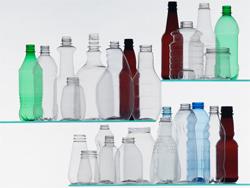
Only about 1 billion pounds was recycled, the group reported. At salvage prices that range as high as 25 cents per pound, the remaining 4 billion pounds represent the equivalent of sending a billion $1 bills to landfills.
Recycling advocates are grappling for ways to increase the quantity of PE
Coca-Cola, the world’s largest beverage company, last year abandoned an effort to use recycled PE
Instead, Coke will concentrate on using less PE
In fact, the problem finding uses for post-consumer PE
As soon as the material can be collected and cut up into a new raw material — called “dirty flake” or “clean flake” in the trade, depending on whether extraneous material such as bottle labels and caps are mixed with the PE
About 40 percent of reclaimed U.S. PE
“No one in the
Yet, in a twist frustrated recycling advocates see as appropriately weird, some of the post-consumer PE
Frank Endrenyl, vice president of sustainable development at Mohawk Industries of Dalton, Georgia, said his company, which manufactures carpeting, is
Last year Mohawk bought between 200 million and 250 million pounds — or 25% — of the country’s recycled PE
Betty McLaughlin, executive director of the group, said the return rate in 11 states that have deposit laws averages 70%.
But, she added, the beverage and grocery industries are successful at beating back efforts to get more states to pass the requirements.
“
Vitters acknowledges that Coke does not like container deposit laws, but cites other reasons.
“
One of the initiatives Vitters says Coca-Cola is supporting is “RecycleBank,” a company that says it offers incentives to families based on the amount of material that goes into their recycling bin.
“We have 100,000 households in the pipeline for this year and expect to be at 1 million by 2008,” said Lisa Pomerantz, a RecycleBank spokeswoman.
Such a system will do little to encourage recycling when the family bin is not near at hand. And that is one of the chief obstacles to reclaiming used PE
“People are good about recycling materials in their kitchen bin,” said Chaz Miller, director of state programs for the National Solid Wastes Management Association. “When they go out, they don’t recycle.
But he admits it hasn’t caught on.
Under Seydel’s plan, machines in supermarket or strip mall parking lots — the kind already used in states with deposit laws — would accept recycled containers, then issue a ticket for an independent “lottery” funded by companies that use recycled material.
Chuck Riegle, an official of reverse vending machine manufacturer
Seydel is more enthusiastic.
“As we say down in the Coca-Cola heartland, ‘Go figger,’” he said in an e-mail.
“If people will spend their children’s milk money on a $2 lottery ticket after driving 20 miles to cross a state line, ain’t it logical that they’ll put bottles or cans in a reverse vending machine to be given the same ticket?”

Join Our Newsletter
Get the latest flooring industry news delivered weekly.